Product review
Handheld Steam Cleaner Review: Can It Make Cleaning Easier?
A handheld steam cleaner sounds like the kind of cleaning tool that should make everything easier. Hot steam. Small attachments. No big bucket. No giant machine to drag out. Just point it at the annoying spot and watch the buildup loosen. That is the idea, at least.
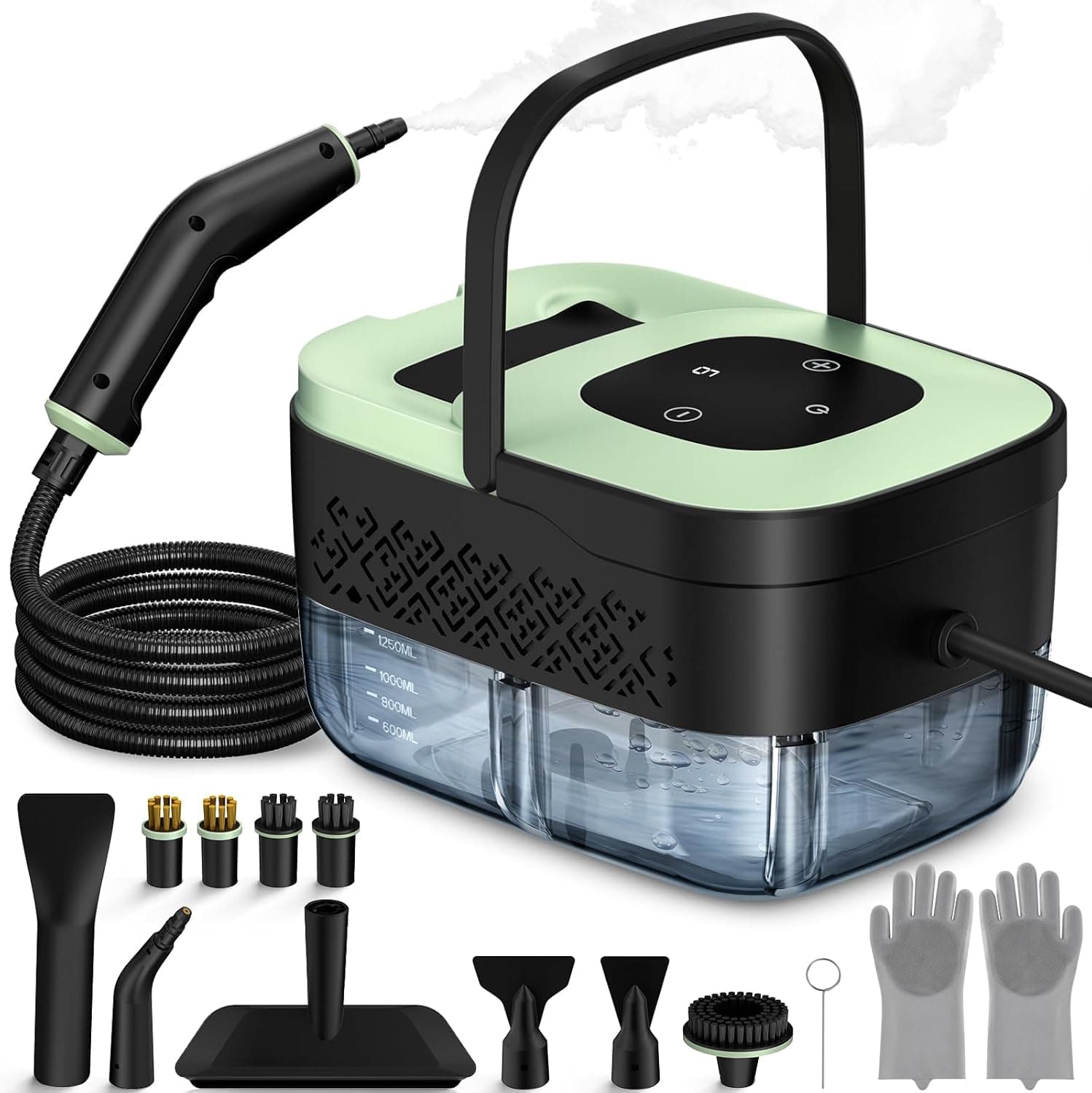
What I tested for
I wanted to test whether a small steam cleaner actually helps with everyday cleaning, especially on the days when starting feels harder than the cleaning itself. This review is not about making the house perfect. It is about whether a portable steam cleaner can give you one visible win without turning into another complicated chore.
I tested it on small, realistic areas around the house and paid attention to three things:
- Was it easy to start?
- Did it make the mess easier to deal with?
- Would I actually reach for it again?
Affiliate disclosure: this article may contain affiliate links. If you buy through a link, doneful may earn a commission at no extra cost to you.
Quick verdict
A handheld steam cleaner can be useful if you want a small deep cleaning tool for grout, sink edges, sticky spots, bathroom corners, car details, or one satisfying cleaning win.
It is not a replacement for a vacuum, mop, carpet cleaner, or regular wipe down. It also is not completely friction free. You still have to fill it, plug it in, choose an attachment, use a towel, and put everything away.
My honest take: it is best for small visible problem areas, not whole room cleaning.
- Best for grout lines, sink edges, sticky spots, bathroom corners, and car details
- Useful for one visible cleaning win, not for whole-room cleaning
- Not a replacement for a vacuum, mop, or carpet cleaner
- Has some setup: fill the tank, plug it in, choose an attachment, keep a towel close
- Best used as a momentum tool, not a daily wipe down
What this handheld steam cleaner is
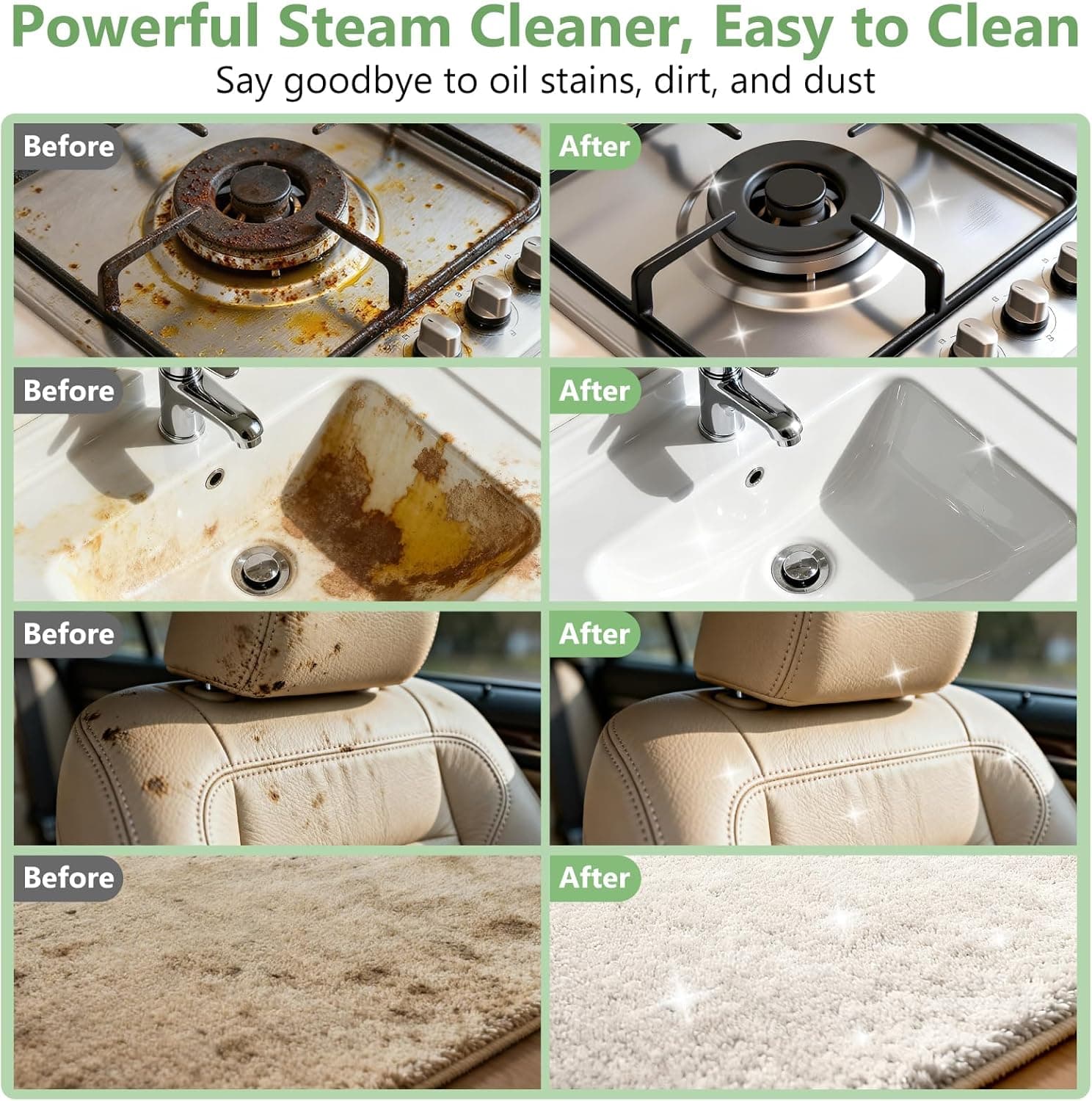
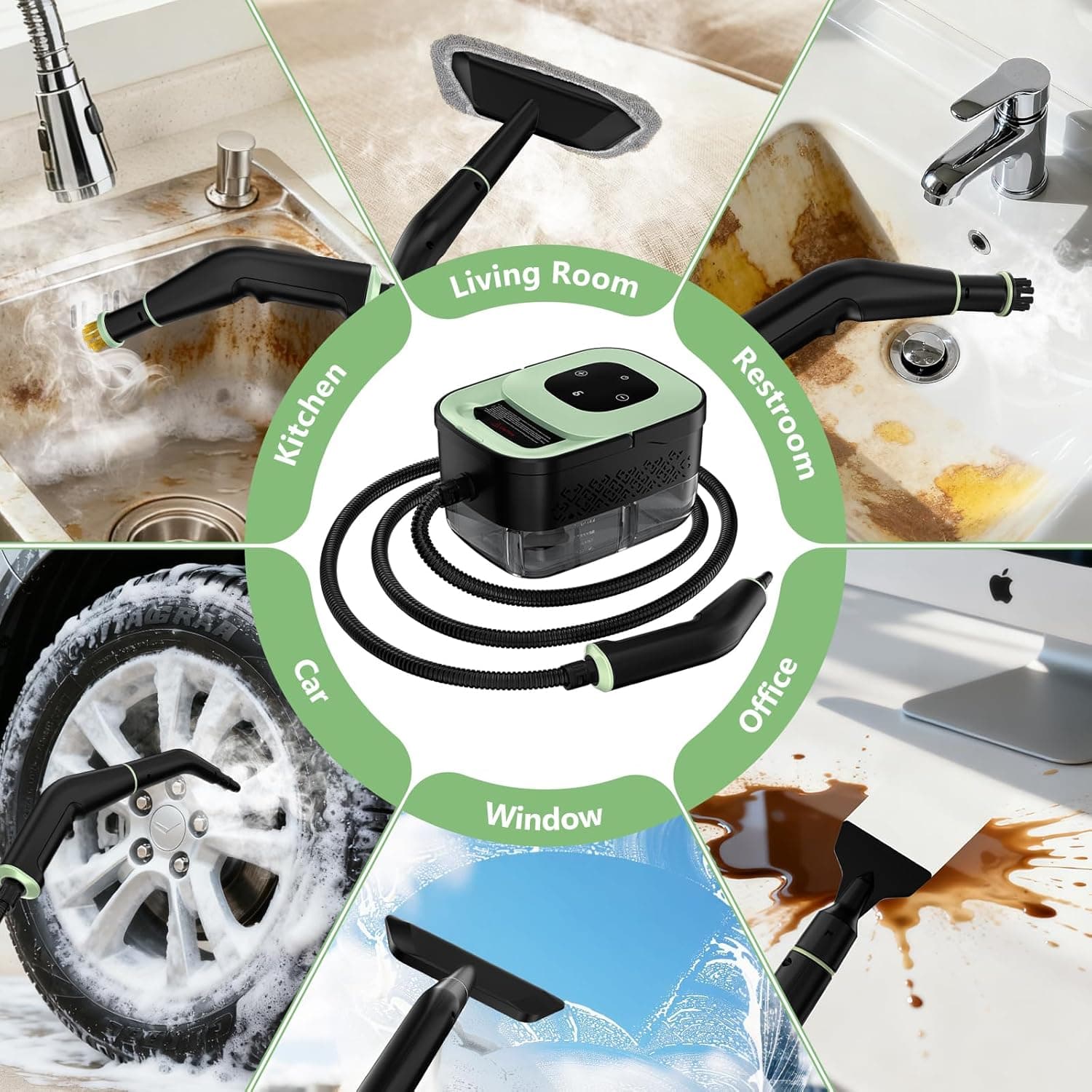
This is a portable handheld steam cleaner style machine. It uses hot steam and small attachments to loosen buildup from surfaces like tile, grout, sinks, counters, bathroom edges, car interiors, and some upholstery.
The appeal is simple. Instead of scrubbing one annoying spot forever, you use steam to loosen it first, then wipe it away.
That makes it feel more interesting than a normal wipe down, which can help when cleaning feels boring or hard to start. But it also means there is more setup than grabbing a cloth.
What came in the box
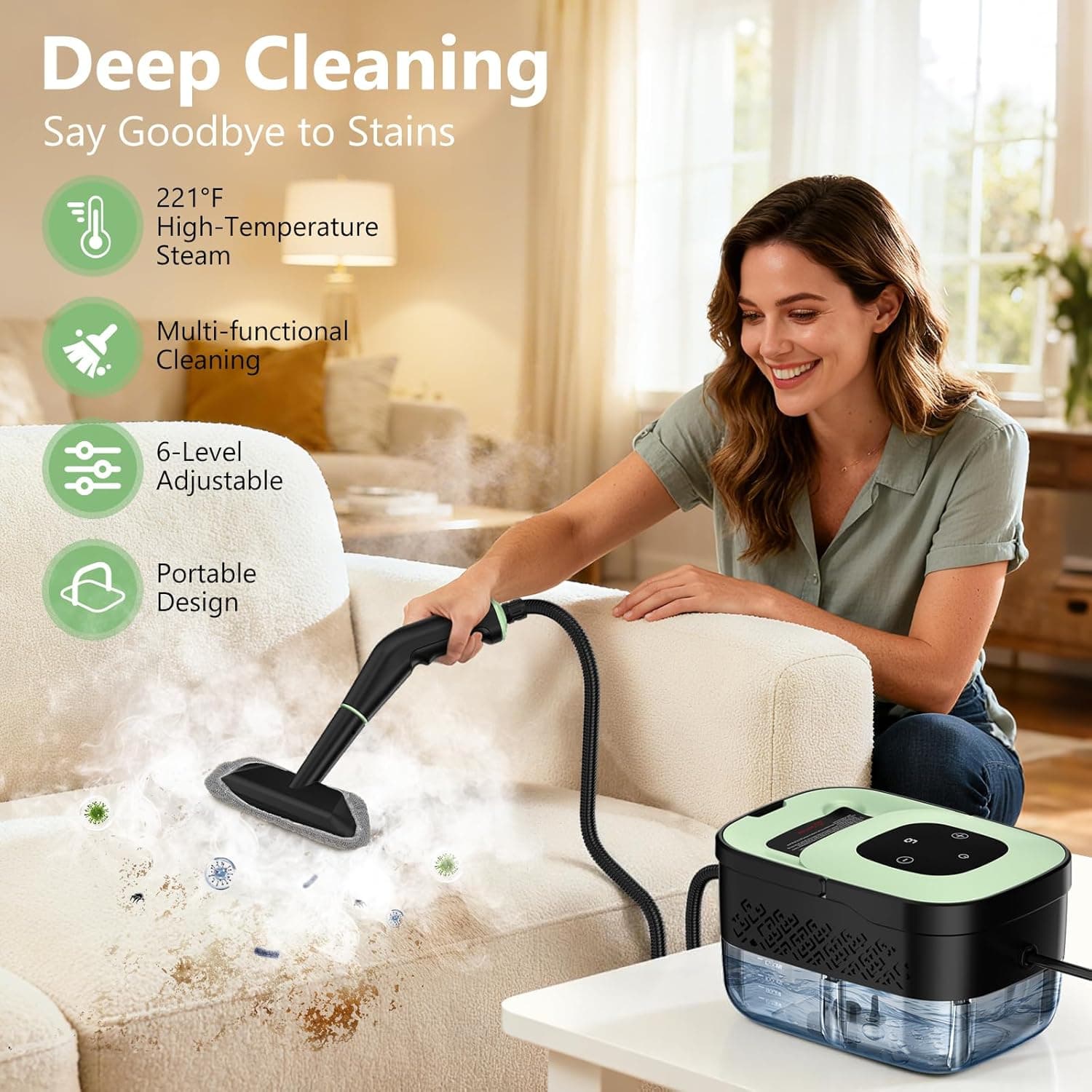
The steam cleaner came with the main unit and several small attachments for different surfaces. The most useful attachments for everyday cleaning were:
- A small brush attachment
- A narrow nozzle for edges and corners
- A larger cleaning attachment for flat areas
- Extension pieces for reaching awkward spots
- Cloth or pad style pieces for wiping surfaces
The attachments are helpful, but they also create a small decision problem. If you already feel overwhelmed, too many little pieces can slow you down.
What helped me was choosing one attachment before starting and ignoring the rest.
Setup: easy, but not instant
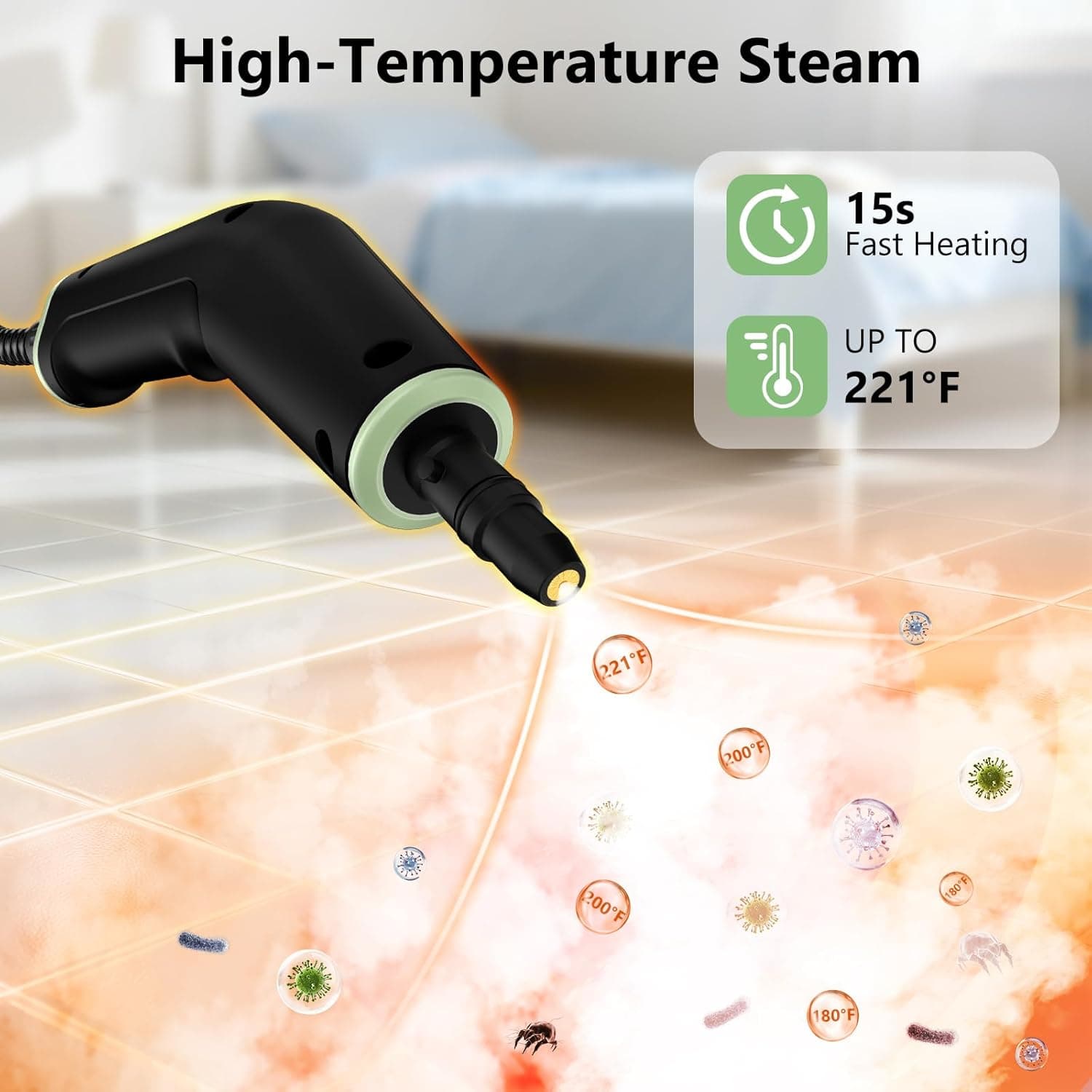
The setup was not hard, but it was not as simple as grabbing a spray bottle. The basic process was:
- Fill the tank
- Plug it in
- Choose an attachment
- Wait for steam
- Keep a towel nearby
- Steam one small area
- Wipe the loosened mess
That is manageable. But it is still a setup process. For ADHD cleaning, that matters. A tool can be helpful and still have too much friction for a low energy day.
My rule would be this: use it for one small spot, not the whole house.
Where this steam cleaner helped most
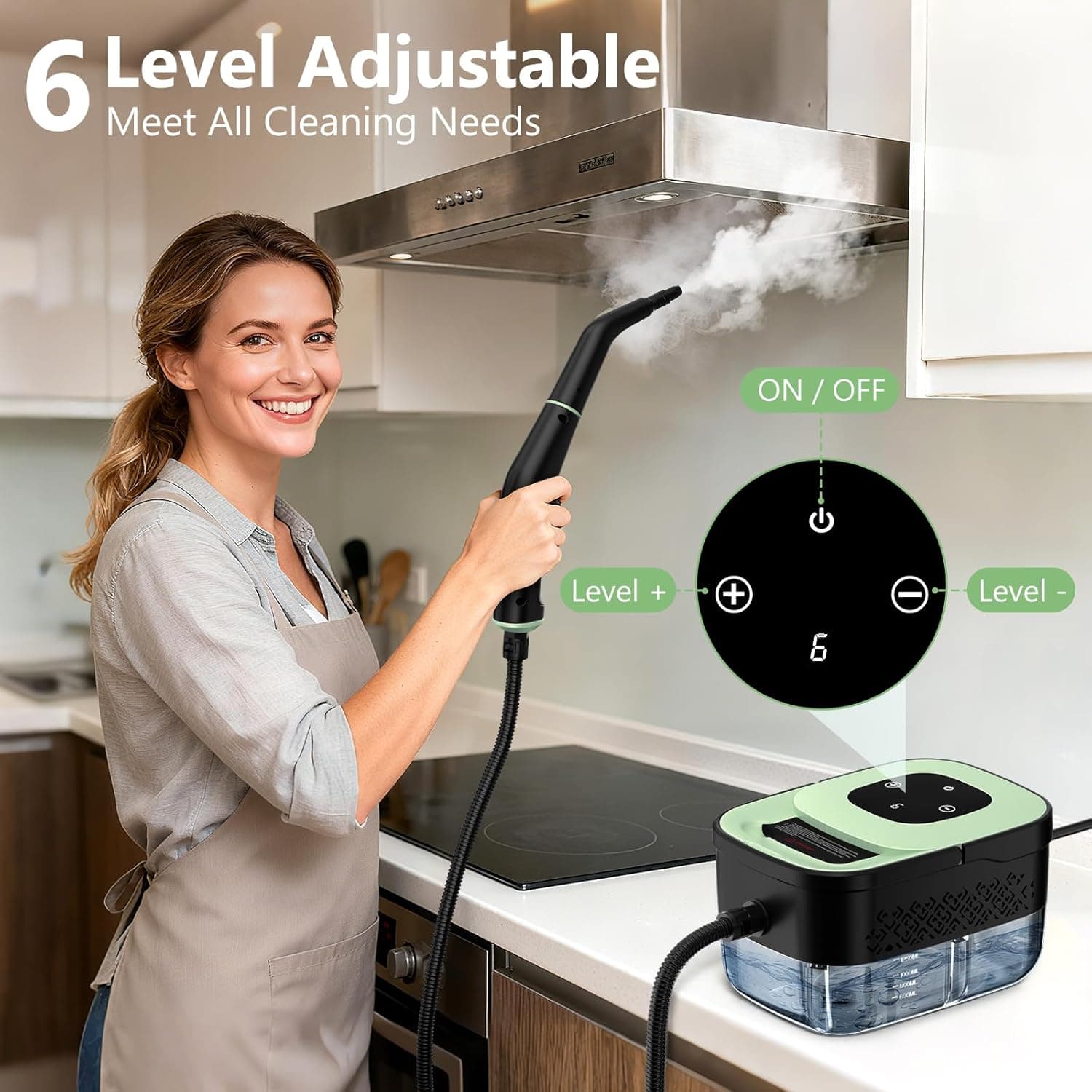
The steam cleaner helped most on small areas where regular wiping usually feels annoying. The best uses were:
- Sink edges
- Bathroom corners
- Grout lines
- Sticky kitchen spots
- Small car interior areas
- Tight spaces around fixtures
- Spots where buildup sits in a crack or edge
The visible result is the best part. Steam cleaning can make one small area look better quickly, which can make it easier to keep going.
That said, you still need a towel. Steam loosens the mess. It does not make the mess disappear by itself.
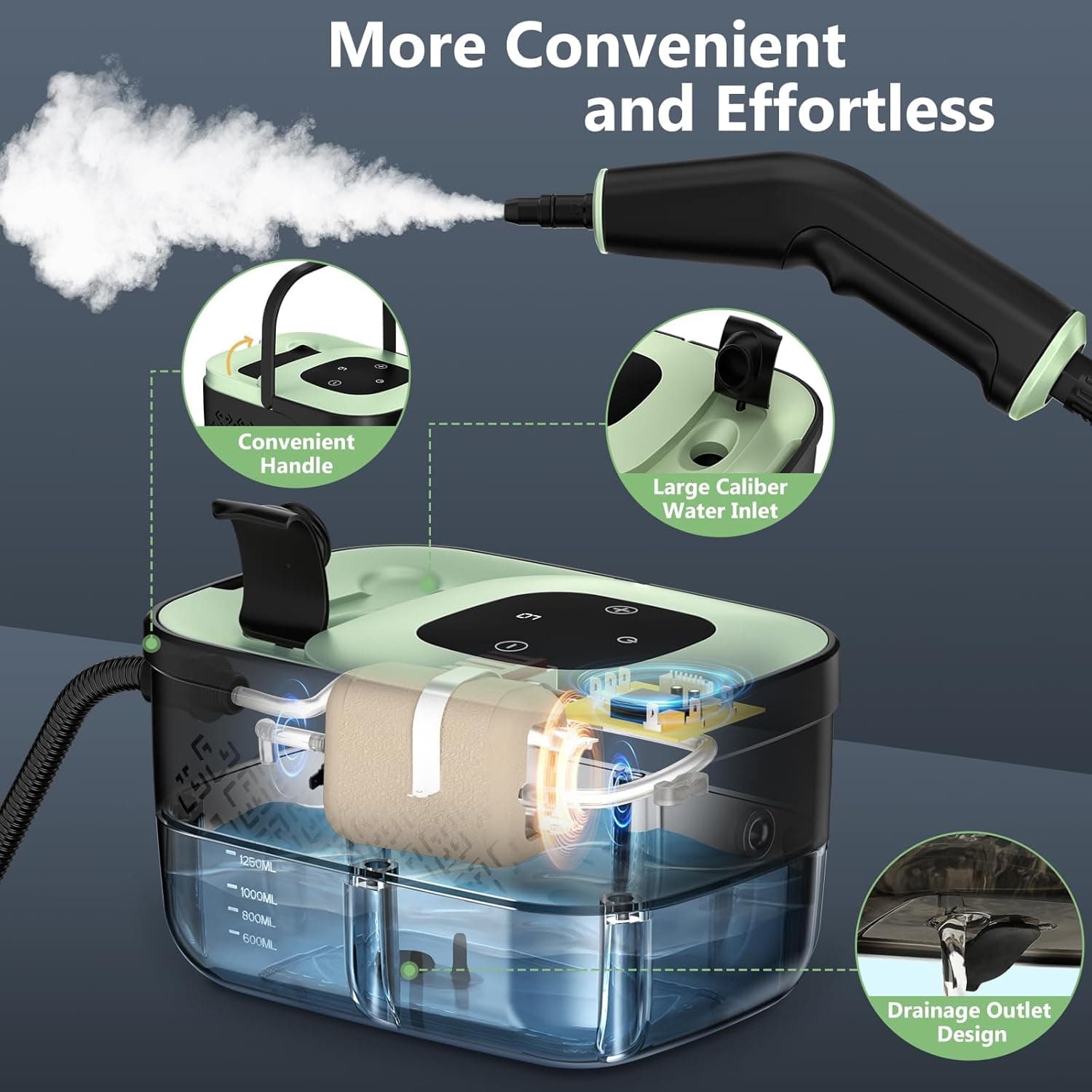
Grout steam cleaner test
A grout steam cleaner test is one of the best ways to judge this kind of tool. Grout is annoying because dirt sits in little lines, and wiping across the surface does not always reach it. A small brush attachment with steam makes more sense here than it does on a wide open floor.
This is where the handheld steam cleaner felt most useful.
Best way to use it:
- Pick one small grout section
- Steam the line slowly
- Brush lightly while steaming
- Wipe with a towel
- Stop after one section
Do not start with the whole bathroom floor. That is how this turns into a project you regret starting. Start with one visible grout line.
Steam cleaner for couch or upholstery test
A steam cleaner for couch use is trickier.
For upholstery, you have to be more careful. Fabric can hold moisture, and not every couch material should be steamed. Always check the care tag first and test a hidden spot.
This type of steam cleaner may help freshen small areas, loosen light surface grime, or work around seams. But I would not treat it like a full upholstery cleaner. A handheld steam cleaner is not the same thing as an extractor. It does not suck dirty water back out.
For couch cleaning, I would use it only for:
- Small spots
- Seams
- Edges
- Light surface freshening
- Testing carefully on hidden fabric first
I would not use it as a full couch cleaning system unless the fabric is safe for steam.
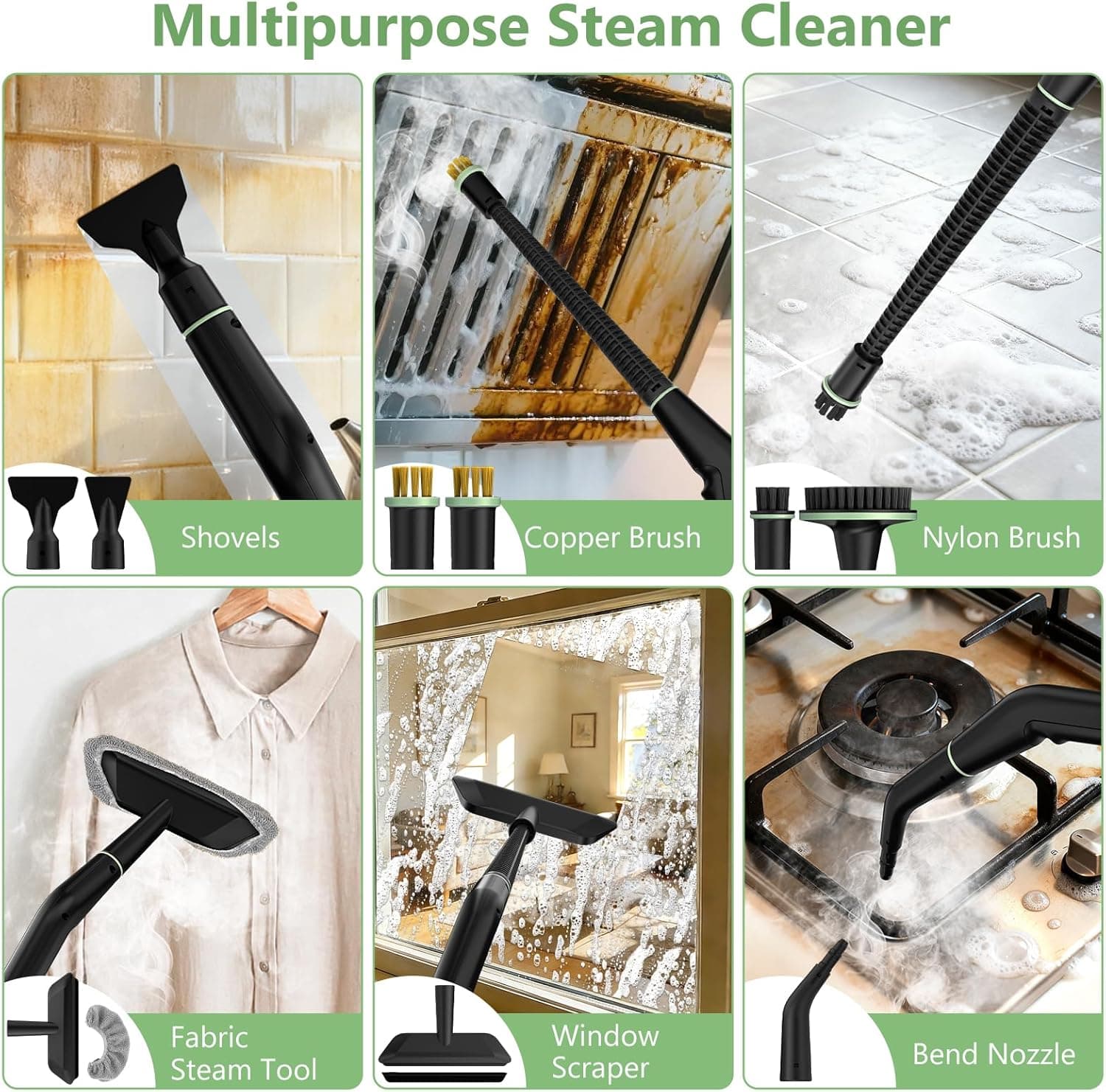
Steam cleaner for cars
A steam cleaner for cars can make sense because car interiors have lots of small annoying spaces. The best car uses are:
- Cupholder edges
- Console corners
- Door pockets
- Plastic trim
- Sticky spots
- Seat track areas
- Around buttons, if you are careful
The narrow nozzle is helpful here. A car has many tiny places where crumbs, dust, and sticky buildup collect. But again, this works best as a small area tool.
Do not tell yourself you are detailing the whole car. Pick one cupholder or one console area. That is enough.
Is a handheld steam cleaner ADHD friendly?
It can be, but only if you use it the right way.
A handheld steam cleaner has a few ADHD friendly strengths:
- It feels more interesting than wiping
- It gives visible results
- It works well on small problem spots
- It can create momentum
- It makes one annoying task feel more like a tool based task
But it also has friction:
- You have to fill it
- You have to plug it in
- You have to pick an attachment
- You need a towel
- You have to wait for steam
- You have to put the parts away
So I would not use this as a daily cleaning tool. I would use it as a one visible win tool.
If you want a calmer way to figure out where to start when your brain feels stuck, the how to clean when overwhelmed guide and the doom pile reset are better starting points than a tool with attachments.
The best way to use it when cleaning feels overwhelming
If you are overwhelmed, do not walk around the house looking for every place you could use the steam cleaner. That turns it into a giant decision.
Use this instead:
- Pick one area
- Pick one attachment
- Set a 10 or 15 minute timer
- Steam one small spot
- Wipe it dry
- Stop
Good starting spots:
- One sink edge
- One grout line
- One sticky counter spot
- One car cupholder
- One bathroom corner
- One couch seam, if the fabric is safe
The win is not "I deep cleaned the whole room."
The win is "one annoying spot is better."
What I liked
I liked that the steam cleaner made certain cleaning tasks feel less boring. It was especially satisfying on areas where regular wiping usually feels pointless. Edges, corners, and little buildup spots are where this kind of tool makes the most sense.
I also liked that it created a clear starting point. Instead of trying to clean the whole kitchen or bathroom, I could pick one steam friendly spot and make it better.
That matters. Sometimes the hardest part is not cleaning. It is choosing where to begin.
What I did not like
The biggest downside is setup. This is not as quick as grabbing a cloth. You have to fill the tank, plug it in, attach the right piece, wait for steam, and keep a towel nearby.
The cord and hose can also feel annoying if you are moving around a room. The attachments are useful, but they can also become clutter if you do not store them in one bag or container.
My biggest warning: if you hate cleaning tools with parts, this may annoy you.
Who this is best for
This handheld steam cleaner makes the most sense for someone who wants help with small deep cleaning spots.
It is best for:
- Grout lines
- Sink edges
- Bathroom corners
- Sticky kitchen spots
- Car cupholders
- Tight spaces
- Small satisfying cleaning wins
It is not best for:
- Whole floors
- Full carpet cleaning
- Big upholstery jobs
- Fast daily cleaning
- People who hate setup
- Anyone expecting steam to replace wiping
Is it worth it?
It is worth considering if you want a small tool for targeted cleaning. It is not magic, and it will not replace your normal cleaning routine. But for specific spots, a handheld steam cleaner can make the job feel more doable.
For doneful, I would treat it as a momentum tool. Use it when you need one visible win. Not when you are trying to fix everything.
Final verdict
A handheld steam cleaner can be helpful if you use it for small, specific jobs like grout, sink edges, car details, and sticky spots.
It is not the easiest tool to start with on a very low energy day because there is some setup. But once it is ready, it can make cleaning feel more satisfying than regular scrubbing.
My final take:
- Good for one visible win
- Not good for cleaning the whole house
Related reading
For calmer starting points and room-by-room plans that pair well with a steam cleaner, see the ADHD cleaning planner, the ADHD cleaning checklist, the how to clean when overwhelmed guide, or the doom pile reset. You can also browse the full resources hub.
Not medical advice. doneful is a planning and checklist tool. Always follow the product manual and avoid using steam on surfaces, fabrics, or electronics that the manufacturer says are not safe for steam.
Common questions
The phone friendly planner is ready when you are.
Pick a room, check off tiny steps, save your progress. Free to try, one time payment to unlock everything.